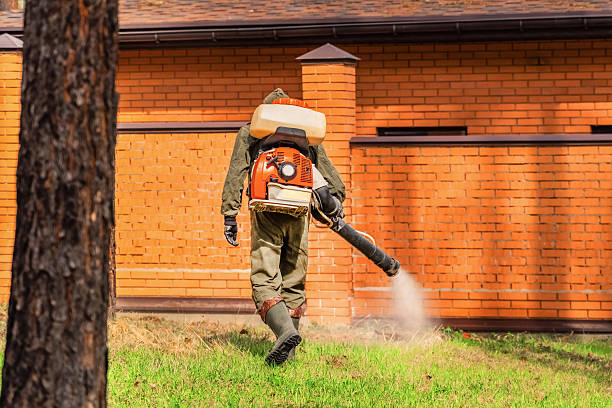
An ant trail across the kitchen counter is just the visible tip — the actual colony, and often satellite colonies, are usually somewhere you'll never spot without tracing the trail back. Species identification happens on the first visit, since the right bait for odorous house ants isn't the same formulation that works on pavement ants or fire ants.
We trace visible trails back toward the nest and identify the species before recommending bait or barrier treatment.
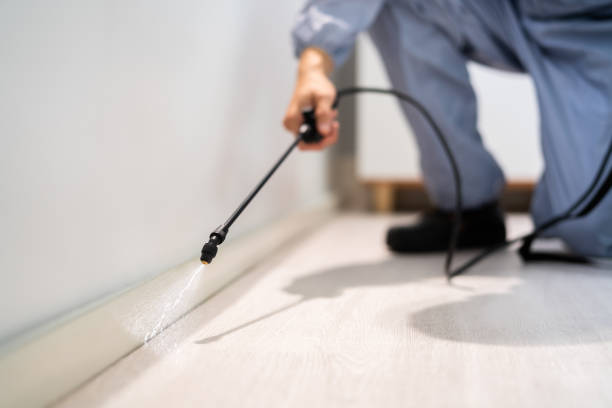
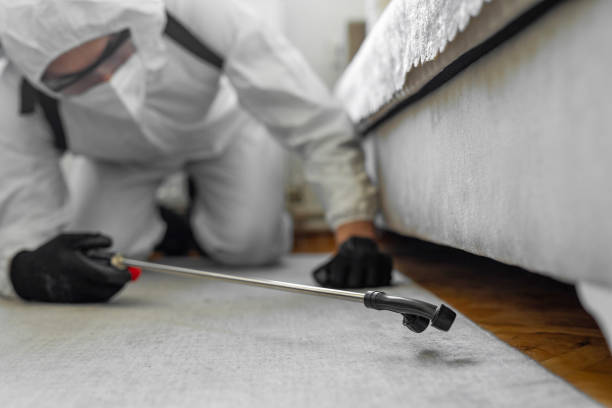
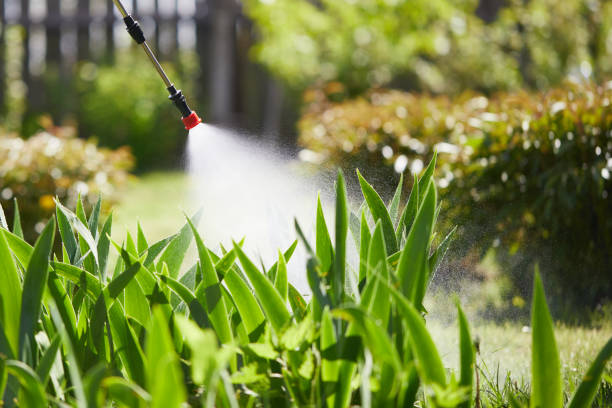
Our Ant Control crew is trained on species-specific colony behavior, not just surface spraying.
We prioritize fire ant mound calls given the sting risk to kids and pets.
You'll know the full cost before any bait station or barrier spray goes down.
We use non-repellent insecticide and slow-acting bait so the colony carries product back to the nest instead of scattering.
We trace frass (wood shavings) piles back to the actual nest location, often inside a wall void or damaged sill plate.
Odorous house ants form large, fast-moving colonies with multiple satellite nests, so bait placement targets several access points at once.
We treat expansion joints and slab edges directly, which is where pavement ant colonies typically establish.
Fire ant mounds get direct mound treatment plus a broader yard bait application to catch satellite colonies nearby.
Dubach restaurants and retail spaces get scheduled bait monitoring to prevent recurring trails near food storage areas.
A perimeter barrier around the foundation reduces new trails from forming after the initial colony is addressed.

Tell our dispatcher which ant behavior you're seeing so the technician arrives with the right bait formulation.
A technician arrives with species-specific bait and non-repellent barrier product ready for Dubach ant calls.
We trace the trail, identify the species, and quote a flat price covering interior and exterior treatment.
Bait and barrier treatment go down the same visit, with a follow-up to confirm the colony has been eliminated.
We'd sprayed the visible trail ourselves for months with no luck. Non-repellent bait cleared the whole colony within two weeks.
Fire ant mounds near our kids' swing set got treated same-day, which was a huge relief given how close they'd built to the play area.
Having a documented ant program helped us pass our last health inspection without issue.
Pavement ants kept coming up through a crack in our patio slab every summer until the perimeter treatment finally sealed that off for good.

No matter which Dubach neighborhood you're in, a technician equipped for ant-specific treatment can reach you the same day. Coverage includes single-family homes, apartment communities, and commercial kitchens across our Dubach service area.

Repellent sprays scatter the trail and can cause the colony to split into new satellite nests instead of dying off.
Carpenter ants prefer damp or already-damaged wood, so their presence sometimes points to a moisture issue worth checking.
Bait stations are enclosed and placed out of reach, and we'll walk you through placement locations during the visit.
Most trails noticeably decline within one to two weeks as the bait works through the colony.
Yes, fire ant mounds get direct mound treatment plus broader yard bait to catch connected satellite colonies.
Yes, we use bait placements and monitoring schedules suited to food-service environments and health code requirements.
Call +1-866-315-0243 for a same-day inspection and flat-rate quote.
Call +1-866-315-0243